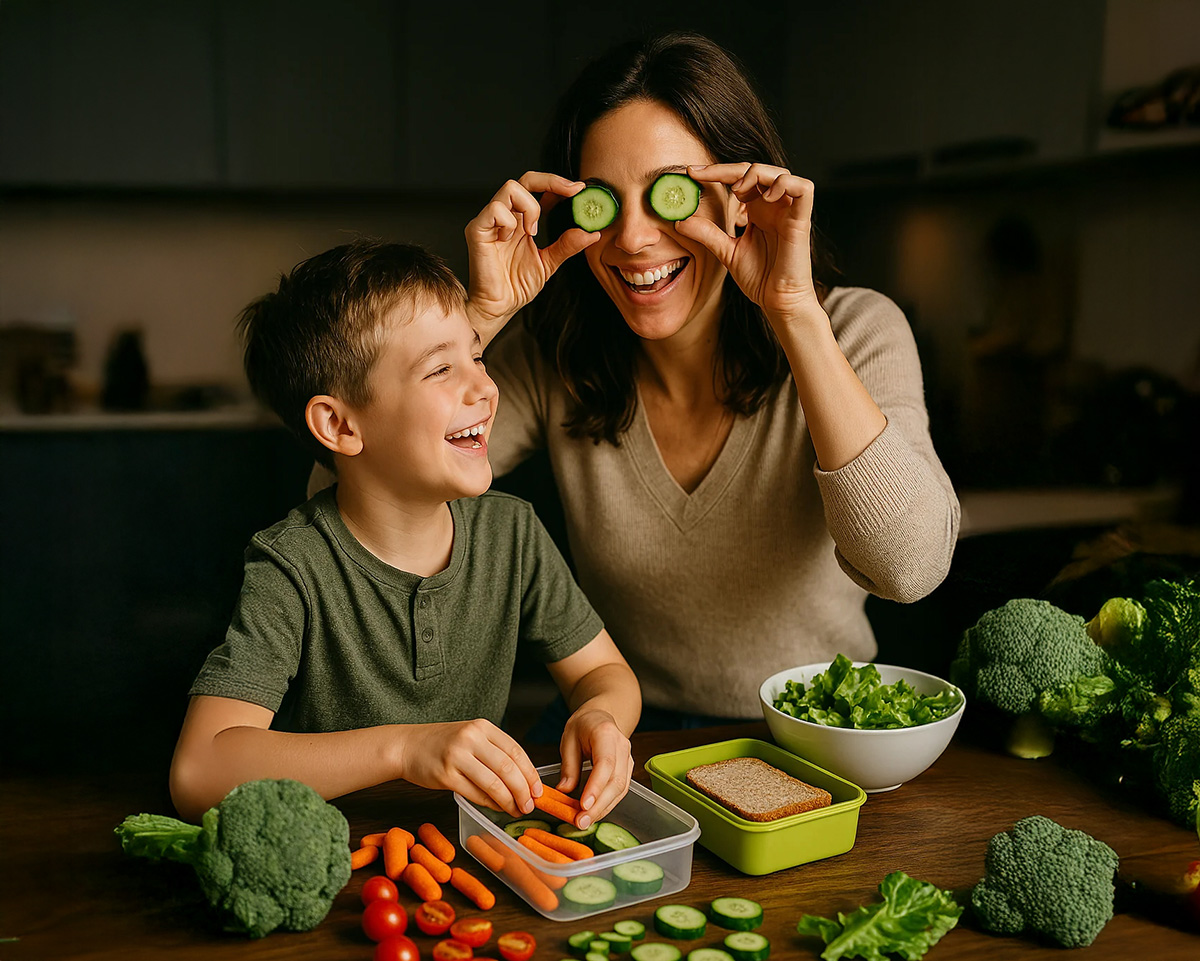
One of the main causes of constipation is diet. For this reason, the first thing to address is diet, and in most cases, following a healthy diet helps to resolve the problem. A varied and balanced diet is particularly recommended in cases of constipation. The foods that should always be included in your diet are those rich in fibre, such as fruit, vegetables and pulses. Fibre, in fact, helps to combat constipation by making stools softer, firmer and bulkier. To function at their best and be effective, they must be accompanied by an adequate intake of water. In this way, fibre not only helps to keep stools soft but also helps to stimulate bowel motility, thereby improving bowel movements. Finally, they promote the health of the gut flora thanks to their prebiotic action.
For these reasons, it is important to remember that hydration also plays a significant role, and it is necessary to maintain the correct level of hydration to aid the passage of stools. If you are constipated, you should drink at least one and a half litres of water every day. However, whilst high-fibre foods are certainly helpful in combating constipation, it is important not to exaggerate. For the average person, the recommended daily intake of fibre is 25–30 grams. As well as fibre and water, it is essential to ensure an adequate intake of fats and lipids, as these nutrients help to combat constipation by keeping stools well-lubricated, thereby facilitating their passage through the intestinal tract and, consequently, their elimination. It is also important to ensure the health of the gut flora and that it functions properly; we must therefore not forget probiotic foods such as yoghurt and kefir.
RECOMMENDED FOODS
Here are a few suggestions for foods that can help the bowel combat constipation:
fruit (pears, figs, kiwis, apples, redcurrants, blueberries, prunes)

 it
 fr
 es
 pl
 be-fr
 bg
 de
 el
 pt
 ro