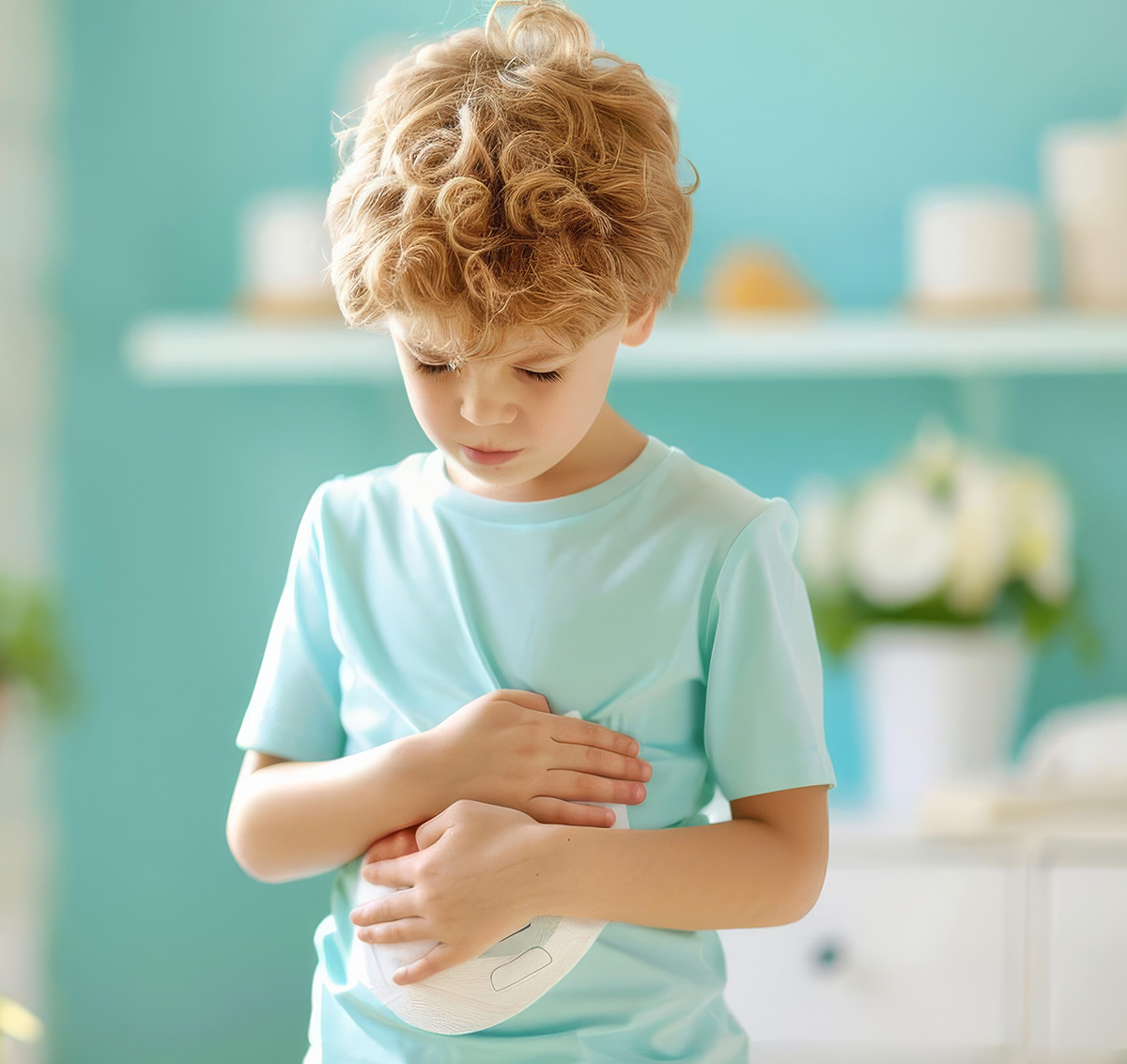
Constipation in children can occur from the very first few months for a variety of reasons. In most cases, the problem resolves itself within a short time. Constipation in children under the age of 4 is defined as having two or fewer bowel movements a week for at least one month (in older children, for at least two months). Stools are hard and dry and may be accompanied by stomach ache, anal pain and bleeding, and may require considerable straining to pass. Generally, a newborn baby has a bowel movement between three and eight times a day during the first 30 days of life. However, it may happen that a baby has a bowel movement every four to five days or even less frequently, either because the milk is completely absorbed – as it has a low fibre content – or because the bowel may contract less frequently and therefore takes longer to pass stools.
Constipation in children: causes
There can be various causes of constipation in children. One of the most common causes is diet, for example the use of infant formula, but also the transition to complementary feeding with the introduction of the first solid foods, or an insufficient intake of fibre (too little fruit and vegetables) or water. In some cases, even introducing cow’s milk can cause constipation. Another very common cause may be a change in the child’s routine, such as starting school or certain key developmental milestones, such as the transition from nappies to the potty and gaining control of their bladder and bowels. At this stage, in fact, it is the child themselves who resists the urge to pass stools and holds them in deliberately, even for days on end.
This causes the stools to become drier; as they are harder, they are also more difficult to pass, resulting in pain as they pass through the anus. This creates a vicious circle, because once the child has experienced and remembered the pain felt during bowel movements, they hold back even more in an attempt to avoid it. It is also important to bear in mind that children often delay going to the toilet, despite feeling the urge, because they do not want to ‘waste time’ and would rather not interrupt what they are doing, choosing instead to carry on playing.
Other causes of constipation may include: the use of certain medicines, certain illnesses or stressful events in the child’s life. It is important to bear in mind that holding in a bowel movement could lead to a vicious circle: increased water reabsorption, hardening of the stools and a consequent increase in the difficulty of passing stools, loss of sensation and reduced urge, resulting in pain and ever-increasing difficulty in passing stools.
Constipation in children: remedies
In most cases, constipation in children can be treated without medication. In fact, once the causes of the difficulty in passing stools have been identified, a few simple changes – particularly changes to diet and lifestyle – would be enough to resolve the problem.
What to do if you are constipated:
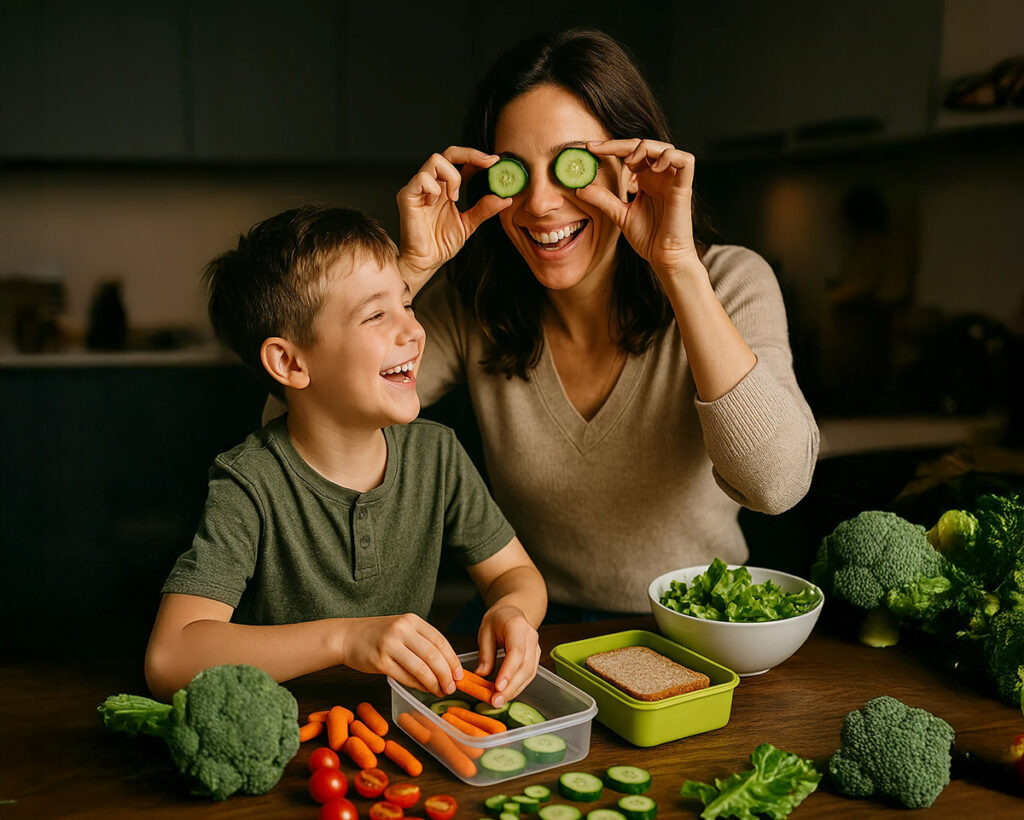
Diet is the most important factor to monitor:
include seasonal fruit and vegetables in your diet and increase your fibre intake (from the age of one);
increase your water intake;
avoid sugary drinks;
increase your intake of extra virgin olive oil.
Finally, it is also beneficial to encourage children to take part in sport and physical activity.

 it
 fr
 es
 pl
 be-fr
 bg
 de
 el
 pt
 ro